


Rekeying a deadbolt is one of the most practical ways to restore security without the expense of replacing the entire lock. Whether you have just moved into a new apartment, lost a set of keys, or need to revoke access after a tenant or roommate moves out, rekeying changes the internal pin configuration so old keys no longer work while the lock hardware stays in place.
This guide walks through the basic steps involved, explains when rekeying makes sense versus full replacement, and covers when it is better to call a professional locksmith rather than tackling the job yourself.
What Does It Mean to Rekey a Deadbolt?
Rekeying a deadbolt means changing the internal pins inside the lock cylinder so that the existing key no longer operates it. A new key is matched to a new pin combination, and the lock hardware itself remains unchanged on the door. This is fundamentally different from replacing the lock entirely. If the deadbolt is in good physical condition, no rust, no loose bolts, no damage to the cylinder, rekeying is typically the faster, more cost-effective solution.
When Should You Rekey Instead of Replace?
Rekeying is the right choice when your lock hardware is still in good condition but you need to change who has access. Common scenarios include:
- Moving into a new home or apartment where previous tenants may still have keys
- A roommate, tenant, or partner moves out
- Keys are lost or stolen
- After a break-in or attempted break-in where the lock itself was not damaged
- Landlord-tenant transitions where access needs to be updated
If the lock is broken, worn, visibly damaged, or outdated, a full lock change or new lock installation may be the better option.
Step 1: Confirm Your Deadbolt Can Be Rekeyed
Before starting, verify that your deadbolt is actually rekeyable. Most standard deadbolts from major manufacturers such as Schlage, Kwikset, and Yale can be rekeyed, but the exact process varies by brand and model. Some systems use brand-specific rekey kits, while others rely on proprietary technology like Kwikset's SmartKey system that allows rekeying without removing the lock from the door.
If you are unsure which type of deadbolt you have, check the brand marking stamped on the lock face. When in doubt, consult with a professional locksmith before disassembling anything.
Step 2: Gather the Right Tools and Rekey Kit
To rekey a deadbolt yourself, you will typically need a rekey pin kit matched to your lock brand, the current working key (required for most methods), a new key blank, a follower tool, tweezers or a pin removal tool, and a screwdriver. Brand compatibility is critical here. Using the wrong kit can damage the cylinder or leave the lock unreliable. If you do not have the current working key, DIY rekeying becomes significantly more difficult and a locksmith call is usually the better path.
Step 3: Remove the Deadbolt From the Door
Most deadbolts can be removed by unscrewing the interior plate and carefully separating the assembly from both sides of the door. Keep all screws, springs, and small parts organized as you work. Placing them on a magnetic tray or in labeled containers prevents lost components during reassembly.
If you live in an NYC apartment or older building, take extra care with vintage hardware. Older mechanisms may be worn, misaligned, or installed differently than modern locks, and forcing them can cause damage that complicates the rekeying process.
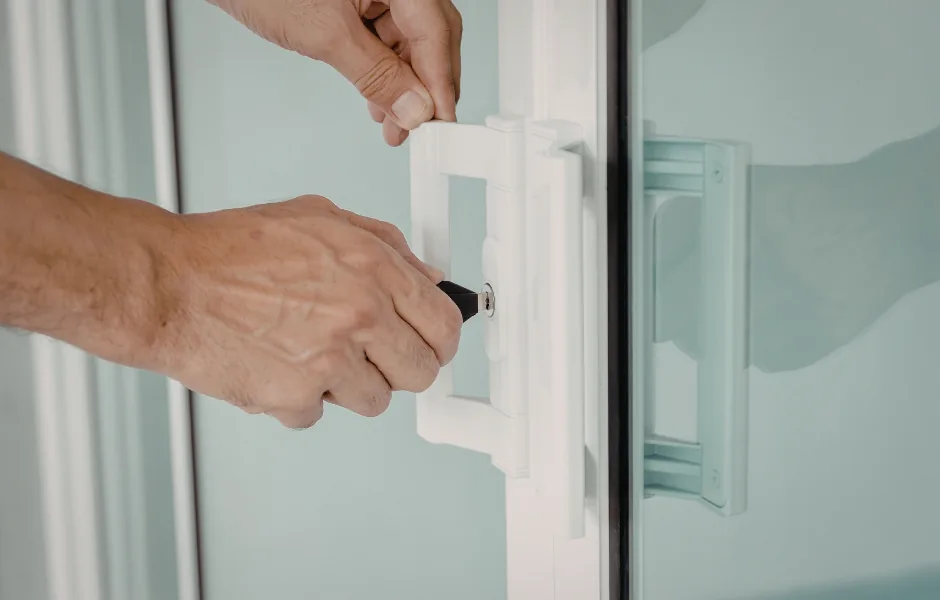
Step 4: Take Out the Cylinder and Replace the Pins
With the lock disassembled, remove the cylinder plug according to your specific lock's instructions. This is where the actual rekeying takes place. The old pins are removed and replaced with a new pin combination that matches the new key.
This step requires patience and precision. The pins are very small, and each one must correspond exactly to the new key's cut pattern. If the pin sizes are incorrect, the lock may jam, turn roughly, or fail to operate entirely. Working on a clean, well-lit surface helps prevent losing tiny components.
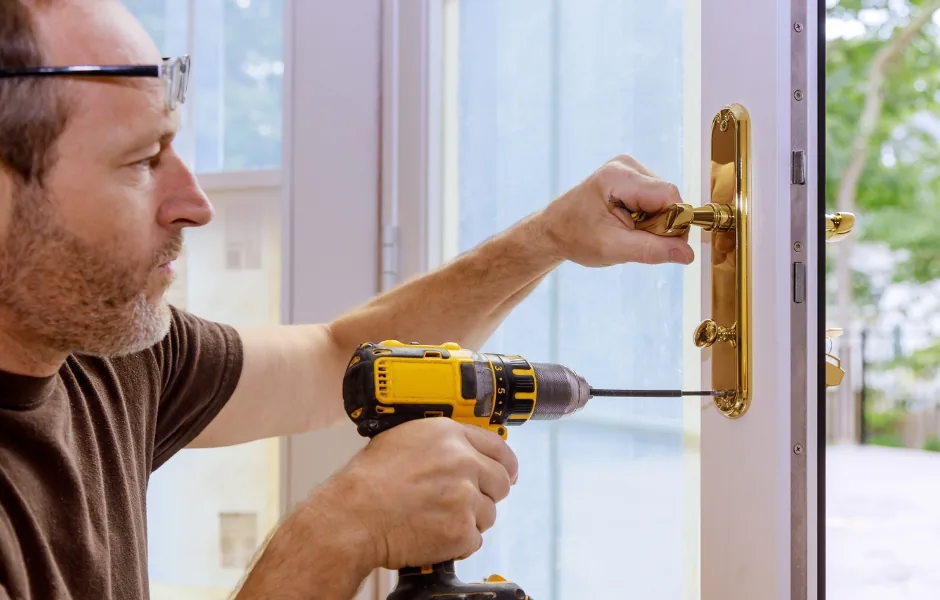
Step 5: Reassemble the Lock and Test the New Key
After installing the new pins, reassemble the cylinder and the deadbolt hardware. Before mounting it back on the door, insert the new key and test it multiple times. The key should turn smoothly and the bolt should extend and retract without any sticking, dragging, or resistance.
Testing thoroughly before reinstallation matters. A deadbolt that technically works but feels stiff can become a serious problem later, especially if you need to lock or unlock quickly during an emergency.
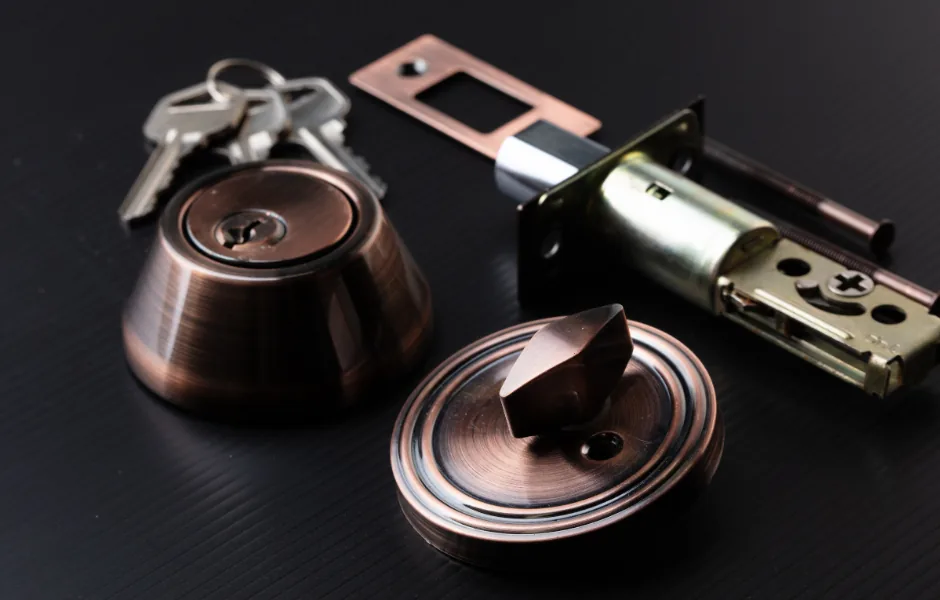
Step 6: Decide Whether DIY Was the Right Move
Some deadbolts are straightforward to rekey, while others are not. If you are comfortable working with small parts and following brand-specific instructions, DIY rekeying may work well for a single standard deadbolt. But if your lock is high-security, older, damaged, or part of a multi-lock setup where you want every door keyed alike, professional rekeying is typically the safer and more efficient choice.
This is particularly true for NYC buildings where co-ops, condos, and multi-unit apartments may have stricter security requirements or non-standard lock configurations.
Common Mistakes to Avoid
- Using a rekey kit designed for a different lock brand, which can damage the cylinder
- Losing track of small pins or springs during disassembly
- Inserting pins in the wrong order, causing the lock to jam
- Forcing the cylinder back together when something does not align properly
- Skipping the testing step before remounting the lock on the door
- Attempting to rekey without the current working key
When the goal is secure, reliable access, it is always better to be cautious than to rush the job.
Why NYC Property Owners Often Choose Professional Rekeying
In New York City, rekeying is a common service after move-ins, roommate changes, tenant turnover, staff transitions, and lost keys. A professional locksmith can typically handle the entire process in 15 to 30 minutes per lock and will verify that the mechanism works perfectly before leaving. That speed and certainty is especially valuable in apartments, co-ops, offices, and mixed-use buildings where dependable access control is not optional.
If you need help with rekeying locks in NYC, upgrading your home security, or deciding between rekeying and full replacement, Top Notch Locksmith & Security can help with reliable residential and commercial locksmith solutions across all five boroughs.